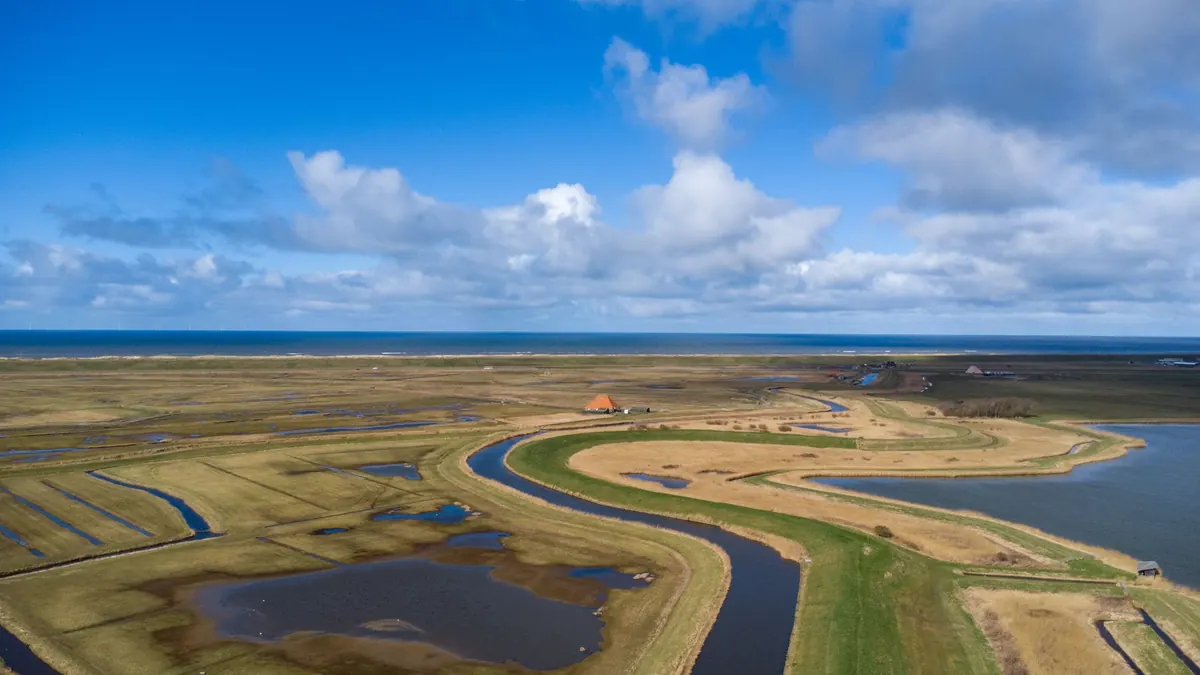
There is a particular kind of island week that regulars keep quiet about. The ferry has room to spare, the taverna owner has time to tell you where the fish came from, and by five in the afternoon the light has gone long and slightly golden. It happens in April and May, and again from late September into October. The trade-off is real: some places will be shut, some boats won't run, and the weather makes no promises. Plan for that honestly and the shoulder season gives you a version of the coast that July simply cannot.
What actually shifts when summer ends
Three things change, and they matter more than the temperature. The first is light. Low sun across the water for most of the day means you can walk a coastal path at noon without hunting for shade, and photograph a harbour at six without waiting for the crowds to clear.
The second is logistics. Ferry timetables thin out, buses switch to school-year schedules, and a rental car booked on the day is suddenly easy. The third, and the one people underestimate, is the social temperature of a place. An island of four hundred year-round residents in October is not a resort running at reduced capacity; it is a working community that has just exhaled. You get the good version of that intimacy, and also its limits.
Spring and autumn weather: two very different bets
Shoulder season is not one thing. A week in early May and a week in late October can feel nothing alike, even on the same island.
Spring: bright, breezy, and colder water than you think
Spring warms from the land outward. Days in the low twenties are common across the Mediterranean by late April, but the sea lags weeks behind the air, so a proper swim in May is bracing rather than balmy. Expect wind — the meltemi-adjacent breezes that keep the coast pleasant in summer can be sharp in spring — plus a scattering of short showers and cool evenings that catch people who packed only linen. Further north, on Atlantic or northern European islands, spring is later and wetter still; a "shoulder" week in the Hebrides in April is a waterproof-jacket week, not a sunbathing one.
Autumn: the sea at its warmest, skies less certain
Autumn reverses the equation. The sea has spent all summer absorbing heat and holds it into October, which is why swimming in late September often feels better than in June. Air temperatures ease down to something you can walk in comfortably. The risk is instability: the first proper storms usually arrive somewhere between mid-October and November, and they can ground ferries for a day or two. Early autumn is the more reliable bet; late autumn rewards flexibility.
Quieter crowds, and what that costs you
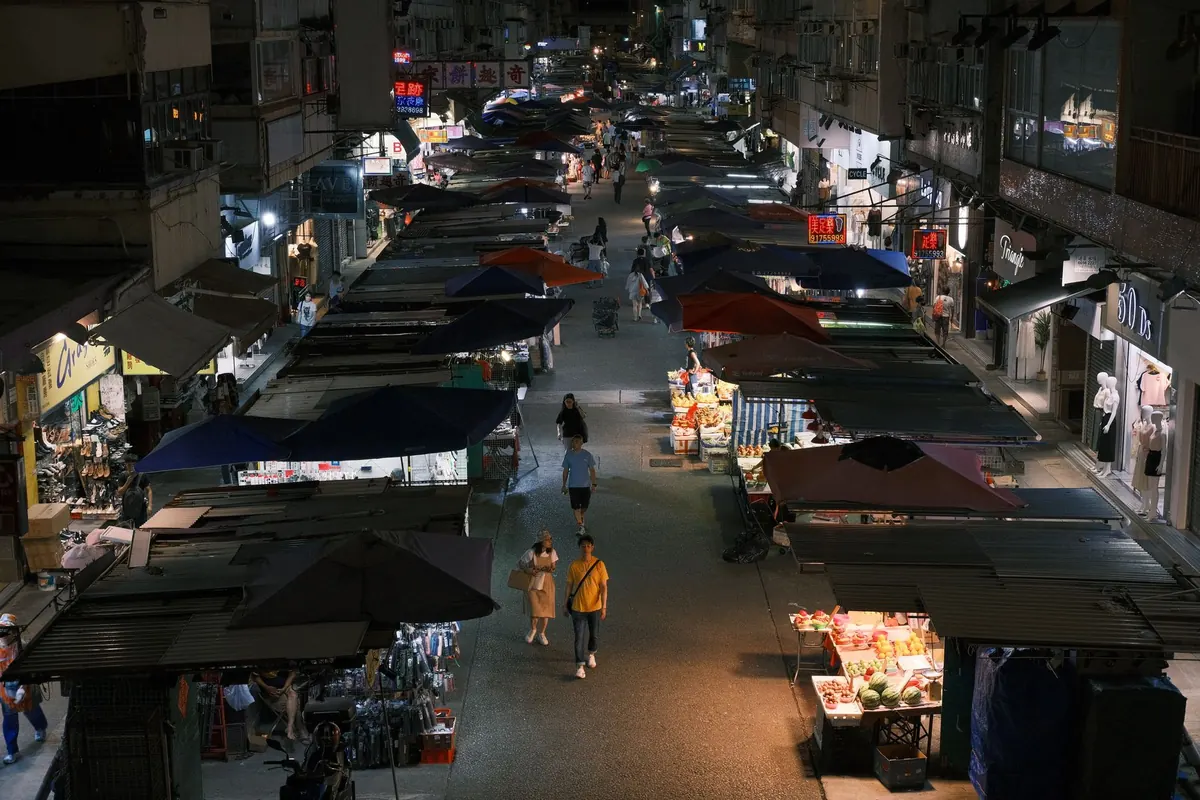
On a small island, the difference between August and October is not a percentage — it's a different place. The beach that required an early start has a dozen people on it. The one restaurant everyone recommends has a table at eight. The bus has seats.
The cost is partial closure. Shops repaint their shutters. A family hotel takes its annual break. The boat trip to the neighbouring islet runs on Tuesdays and Saturdays instead of daily. None of this ruins a trip, but it changes how you build a day, and it pays to know before you arrive rather than after. A quick email to your accommodation asking "what's open in the village that week?" is worth more than any review you'll read. Ask specifically about restaurants, the grocery shop, and whether the nearest pharmacy or clinic is open — on very small islands, services can be genuinely limited.
Timetables are the real planning constraint
Ferries are where shoulder-season travel rewards the careful and punishes the casual. Routes that run three times a day in August may run three times a week in October, and some inter-island links stop altogether outside the summer window.
A few habits make this manageable:
- Check the timetable for your exact travel dates, not the summer schedule you found on a blog or an old screenshot. Schedules are usually republished in spring and again in autumn.
- Never book the last sailing of the day before a flight home. Wind cancellations happen, and a buffer day is cheap insurance.
- Prefer morning crossings when the sea is likelier to be flat and you still have daylight to sort out a plan B.
- Ask your accommodation which port the local boats actually use — some small islands have more than one, with seasonal service.
- Have a mainland base in mind. If the boat is cancelled, knowing where you'd sleep and eat that night turns a drama into an inconvenience.
Packing for a season that changes its mind
The mistake is packing for the average. Shoulder-season days swing widely, and the fix is layers rather than optimism.
- A light waterproof shell that packs small — useful as windbreak as much as rain protection.
- A warm mid-layer: a fleece or thin merino jumper earns its place on evening ferries.
- Long trousers and a long-sleeved shirt for evenings, even if you spend the day in shorts.
- Sturdy walking shoes. Shoulder season is the best time for coastal paths, and the paths are rougher than the beach.
- Reef-safe sunscreen and a hat — the sun is lower but still strong, especially on the water.
- A dry bag or simple waterproof pouch for the ferry crossing and any boat trips.
- Something to read. Half-empty ferries and quiet evenings are part of the appeal.
Choosing the right island for the season
Match the island to the month. Spring suits places built for walking: wildflower-covered paths, hill villages, archaeological sites you can have to yourself before the heat arrives. Autumn suits places built for water: swimming, snorkelling, boat trips, long lunches that stretch into the afternoon because nobody needs to escape the sun.
Islands with a genuine year-round population also carry the shoulder season better than purely seasonal resorts. A fishing port with a school and a winter ferry service will have bread in the morning and somewhere open for dinner in November. A purpose-built summer village may not.
Before you book: a short practical check
Confirm four things and the trip largely takes care of itself. First, that your accommodation is genuinely open for your dates — not just accepting bookings. Second, that at least two ferries a week connect you to the mainland on the days you need. Third, that there's a grocery shop or a restaurant within reach for the first evening, when you arrive tired. Fourth, that you have one spare day at the end before any flight.
Do that, pack a layer more than you think you need, and expect a couple of closed shutters. In return you get the coast at its most itself: quiet, workmanlike, and generous with the light.
Photo: Anna Groentjes / Pexels